The journey
A degree in Turin, LVMH in Milan, then around four years in San Francisco: two Master of Science degrees at Hult, Genies, Metaversal. Today: CAIA Consulting, the halls, the book.
Thank you for the time you have spent on these pages. Every message is read, and answered as soon as possible.
About
Technology, business and awareness to design a more human future.
 01
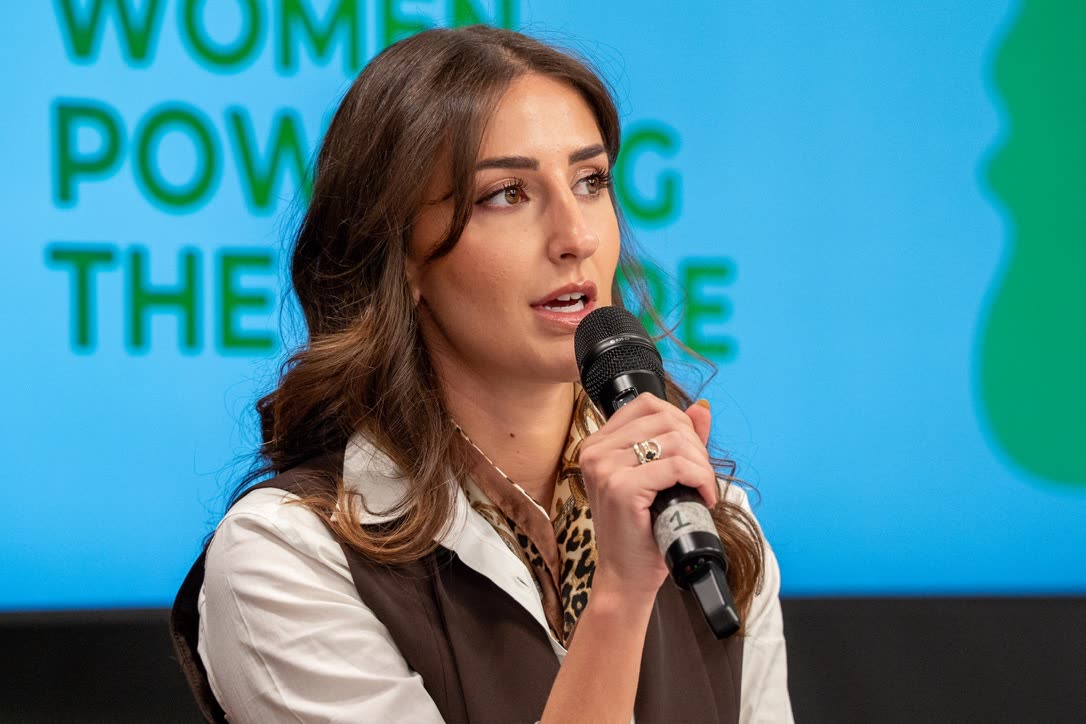
CAIA Consulting
AI adoption in the enterprise: process mapping, use cases that hold up on the P&L, governance that holds up in an audit.
01
CAIA Consulting
AI adoption in the enterprise: process mapping, use cases that hold up on the P&L, governance that holds up in an audit.
 02
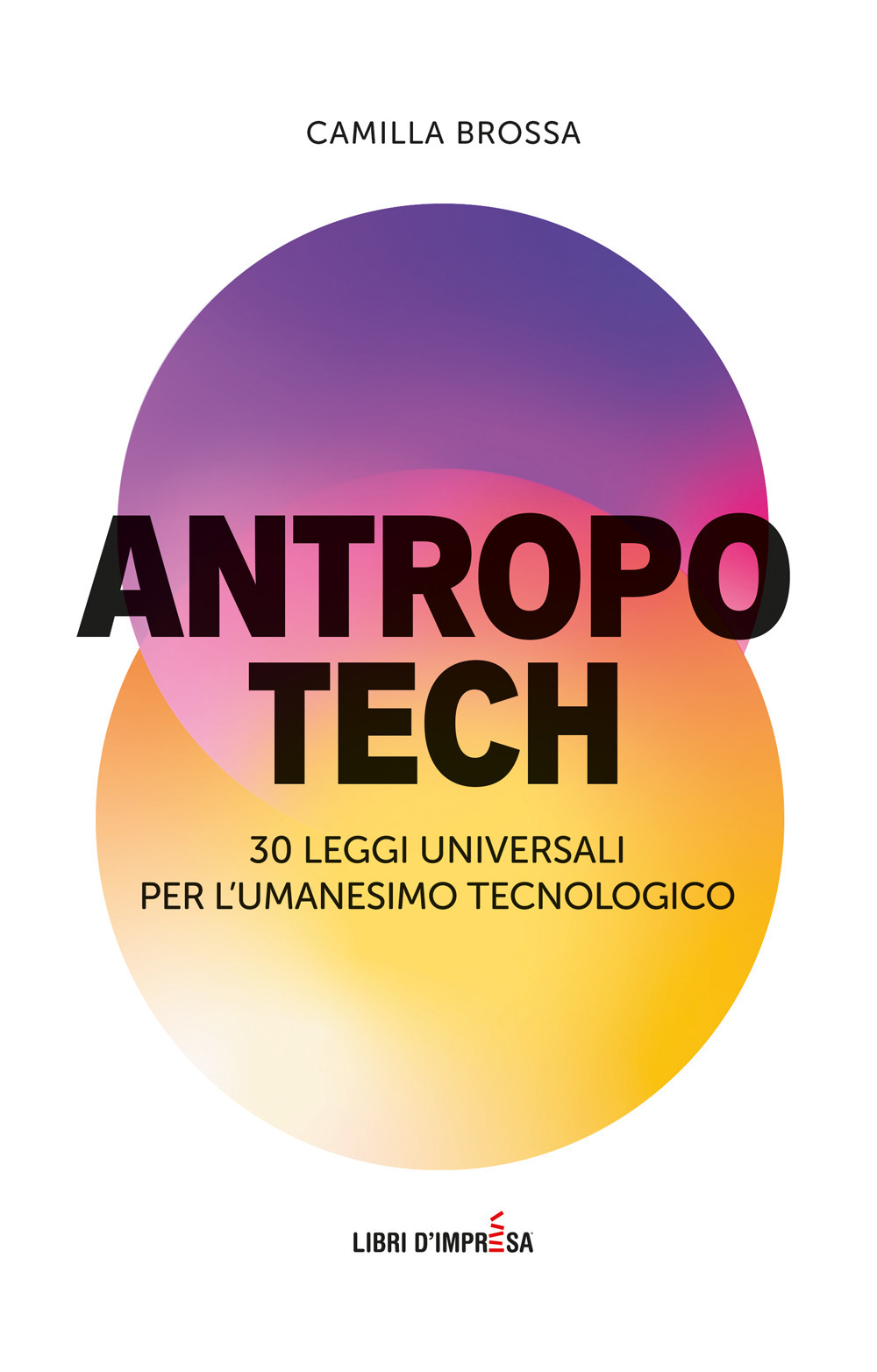
Antropotech
Thirty universal laws for technological humanism. The book that holds strategy, ethics and technology together in plain language.
02
Antropotech
Thirty universal laws for technological humanism. The book that holds strategy, ethics and technology together in plain language.
 03
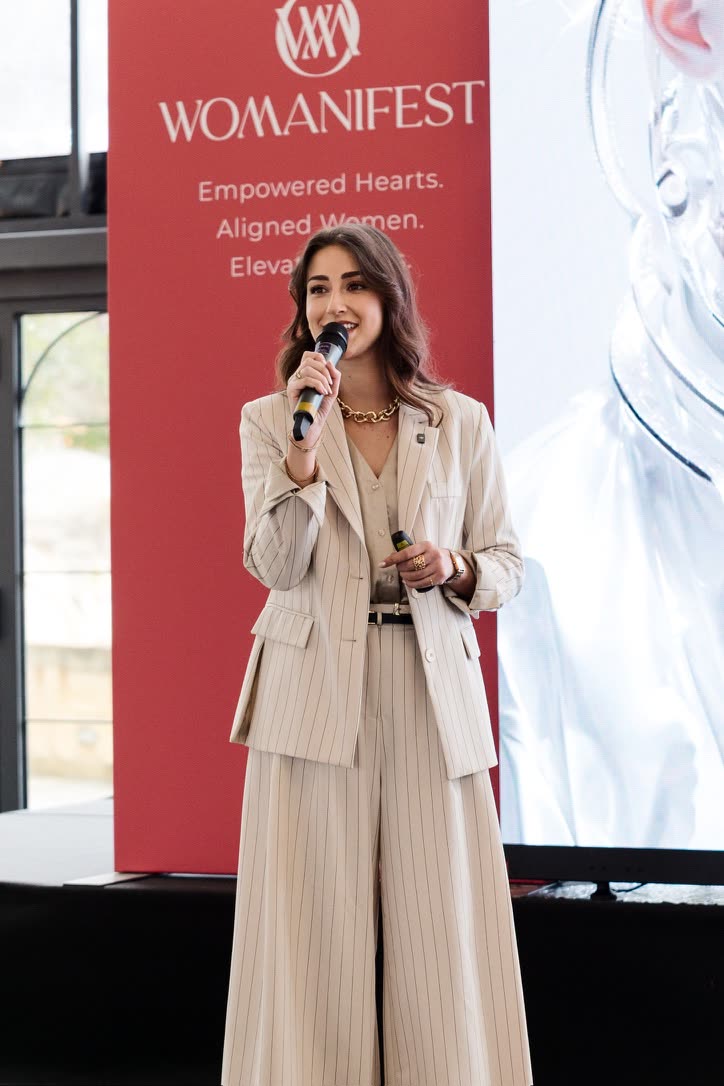
Keynotes
Talks on AI, work and the future. Cut to fit the room, not my slide deck.
03
Keynotes
Talks on AI, work and the future. Cut to fit the room, not my slide deck.
 04
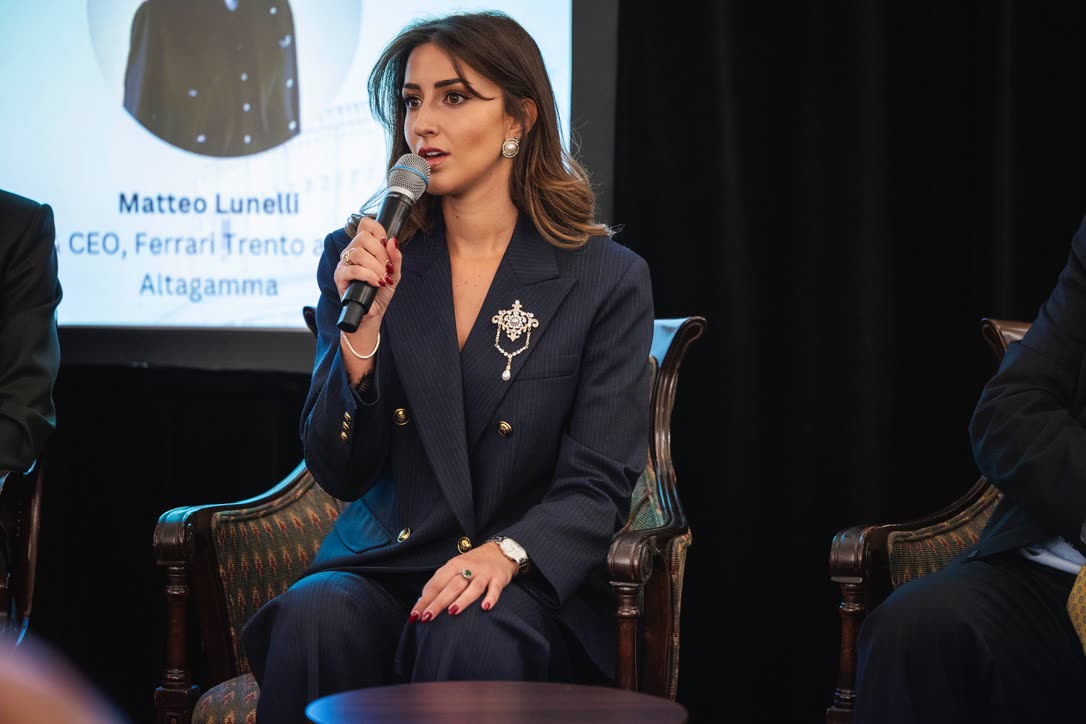
Teaching
Courses and lectures on AI, data and innovation, from university halls to executive education.
04
Teaching
Courses and lectures on AI, data and innovation, from university halls to executive education.
 05
AI Act & literacy
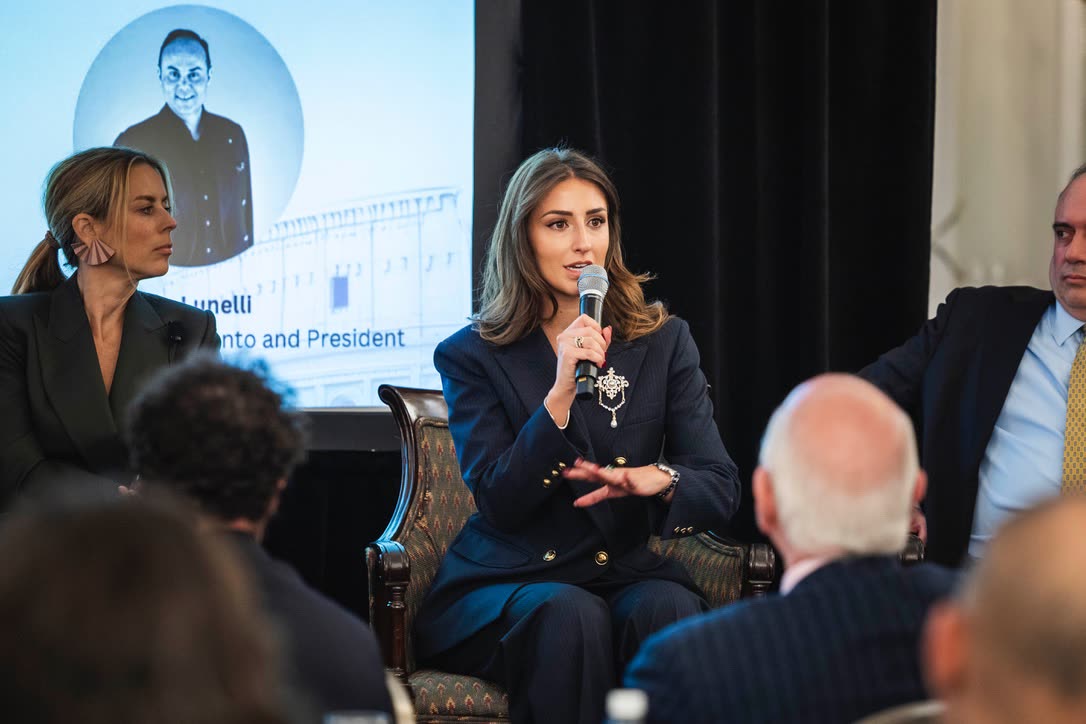
What the law demands, what common sense demands, and in what order to move. No alarm, no postponing.
05
AI Act & literacy
What the law demands, what common sense demands, and in what order to move. No alarm, no postponing.
 06
AI Film Festival
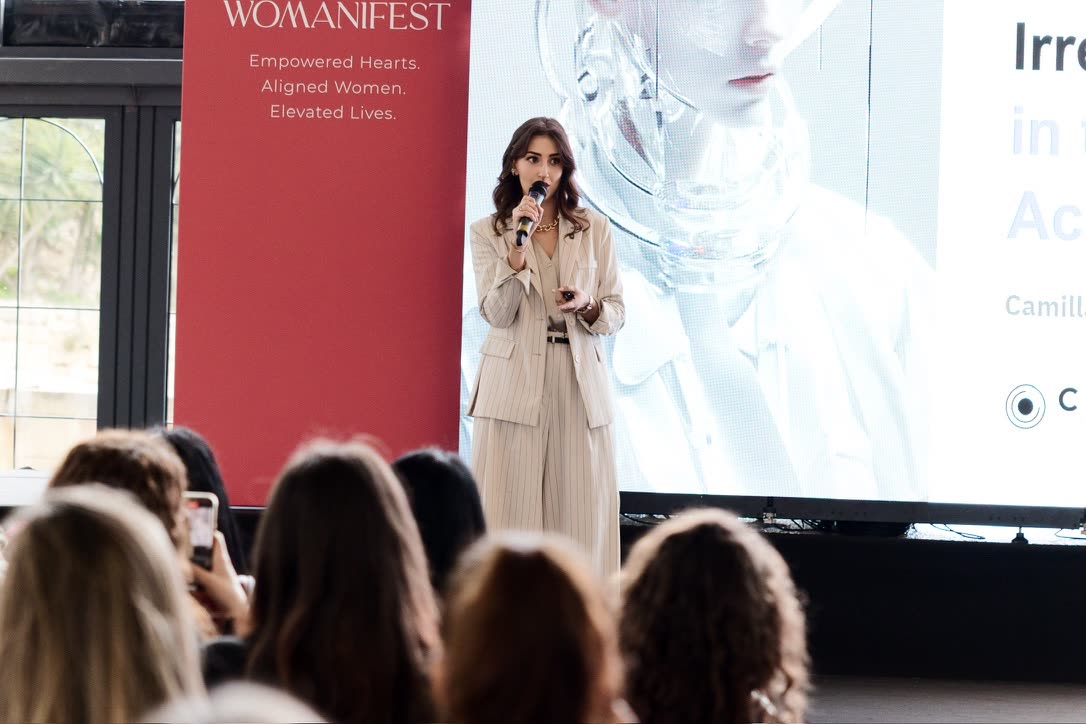
Concept and direction for projects where AI meets cinema and visual language.
06
AI Film Festival
Concept and direction for projects where AI meets cinema and visual language.
01of09
I’m Camilla Brossa. I help companies and institutions govern technological change with the human being at the centre.
A degree in Turin, LVMH in Milan, then around four years in San Francisco: two Master of Science degrees at Hult, Genies, Metaversal. Today: CAIA Consulting, the halls, the book.
02of09
The pages I’ve written in, the halls I teach in, the institutions I’ve worked with.
A 2023 Forbes article on avatars and digital identity. Two more for Informazioni della Difesa, the Italian Ministry of Defence’s official magazine. A Fortune feature.
Guest lecturer at Harvard, on the Business Models and Platforms course, and at Hult, where I studied. Lecturer at Istituto Marangoni, on Fashion Management and Communication.
Italian Chamber of Commerce in London: AI, innovation, business transformation. In Dubai: innovation, AI, internationalisation.
03of09
I don’t only explain AI in public and I don’t only consult on technology: I work where five things hold together.
Studies, around four years in Silicon Valley and work on digital products: avatars, virtual identity, the creator economy.
Projects run, processes built, teams led: twenty-plus projects and a hand in building Genies’ first PMO. A strategy is worth only as much as its execution.
Teaching, keynotes, writing, explaining it in public. Simplifying without trivialising is part of the job, not an add-on.
Governance, impact and responsibility, not only adoption: how an output gets checked, who answers for a decision, which policies are needed.
Technological humanism: using machines so people can be more human, not the other way round. That is the argument of Antropotech.
04of09
Artificial intelligence should not only be powerful. It should be understandable, and someone should answer for it.
Ethics is not a limit bolted on at the end. It is part of the design: it arrives when the problem is chosen, not when the damage is counted.
Value created, risks, bias, privacy, security, intellectual property, the effect on people’s jobs. And the alternatives available.
Which processes to automate, which decisions to keep under human supervision, which policies to write, how to check the outputs.
05of09
Three doors: a company, a stage, a book.
Founder of CAIA Consulting: strategic advisory, AI mapping, Company Brain, PMO, AI literacy and the AI Act. When needed, an international network of specialists joins in.
OpenAI ethics, the future of work, from role to talent, technology and spirituality. Data and trends on one side, first-hand experience on the other.
OpenThe systems we build resemble the people who build them: that is where the book starts. Thirty universal laws applied to technology, leadership and work.
Open06of09
Innovation is not only about what technology can do, but about what it should do.
Artificial intelligence does not fix an organisation’s problems on its own. It can amplify the culture, processes, values and biases already there.
Ethics, governance and responsibility are considered from the start. Discussing them once the technology is already running is not enough.
Whether a thing can be built is a technical question. Whether it is worth building is another, and it takes discernment, not only speed.
No uncritical enthusiasm, no generalised fear of technology. AI is assessed on the value it creates, on the risks, and on the available alternatives.
Artificial intelligence must not only be powerful. It has to be understandable, accountable and aimed at human wellbeing.
07of09
The dimensions are judged together, not one at a time.
What value the system actually generates, and which alternatives are available.
What can go wrong, security, and privacy.
Which biases it reflects from the people and the organisation designing it, how transparent it is, and the quality of the decisions.
Who answers for the outputs, and intellectual property.
The impact on people, the consequences for work and for society, and sustainability.
08of09
The decisions I help companies take.
Which tools to use, and which data to share.
Which processes to automate, and which decisions to keep under human oversight.
How to check the outputs, and how to document the use of AI.
Which policies to introduce, and where responsibility sits.
Which skills to develop, and how to build a responsible company culture.
09of09
Decisions like these get taken inside a project. Here is where I come in.
The role can be that of an outside advisor, brought in at the decisions that matter most.
The path can include process mapping, use cases, an assessment of risks, impact and feasibility, prioritisation and a roadmap.
Programmes that can include an opening assessment, modules by role and a training record, built on the tools actually in use.